A failing heating system can quietly drain your company’s profits. When your existing setup struggles to cope with daily demands, you face rising energy bills, uncomfortable premises, and the constant threat of a complete shutdown. Every day you delay, you risk alienating staff and losing vital revenue. The answer is upgrading to a modern, energy-efficient system tailored to your exact operational needs. As trusted heating experts with extensive experience serving in Birmingham, we know exactly what it takes to keep operations running smoothly. Read on to discover everything you need to know about commercial boiler installation.
Grasping Your True Heating Demands
Selecting the correct size for your new heating system is the most critical step in the entire process. Many business owners assume that buying the largest available unit guarantees better performance. This is a costly misconception.
Oversized units often suffer from a mechanical issue known as “short cycling.” The system rapidly turns on and off because it heats the space too quickly. This constant stopping and starting places immense strain on internal components, leading to frequent breakdowns and a significantly reduced lifespan. Conversely, an undersized unit will run continuously while failing to keep your premises warm. You must calculate your exact kW (kilowatt) output requirements based on the size of your building, the number of radiators, and your daily hot water usage.
3 Crucial Features of Modern Heating Systems
Once you understand your sizing requirements, you need to evaluate the specific features of the units on the market. Focusing on these three areas will help you secure a system that provides long-term value.
1. High Energy Efficiency Ratings
Energy costs are a major concern for UK businesses. Upgrading to an A-rated condensing unit is one of the smartest financial decisions you can make. These advanced systems capture heat that would normally escape through the flue and reuse it to warm the water returning from your radiators. This process drastically reduces fuel consumption. A highly efficient setup lowers your monthly overheads and shrinks your carbon footprint, helping you meet environmental targets.
2. The Right Fuel Source
Most commercial properties rely on natural gas because it is highly cost-effective and readily available from the mains network. However, some industrial estates or rural premises lack a direct gas connection. If you operate off the grid, you will need to explore alternatives like LPG (Liquefied Petroleum Gas), oil, or even commercial electric boilers. Each fuel type carries different installation requirements and running costs, so you should weigh these carefully alongside a qualified engineer.
3. Space and Location Constraints
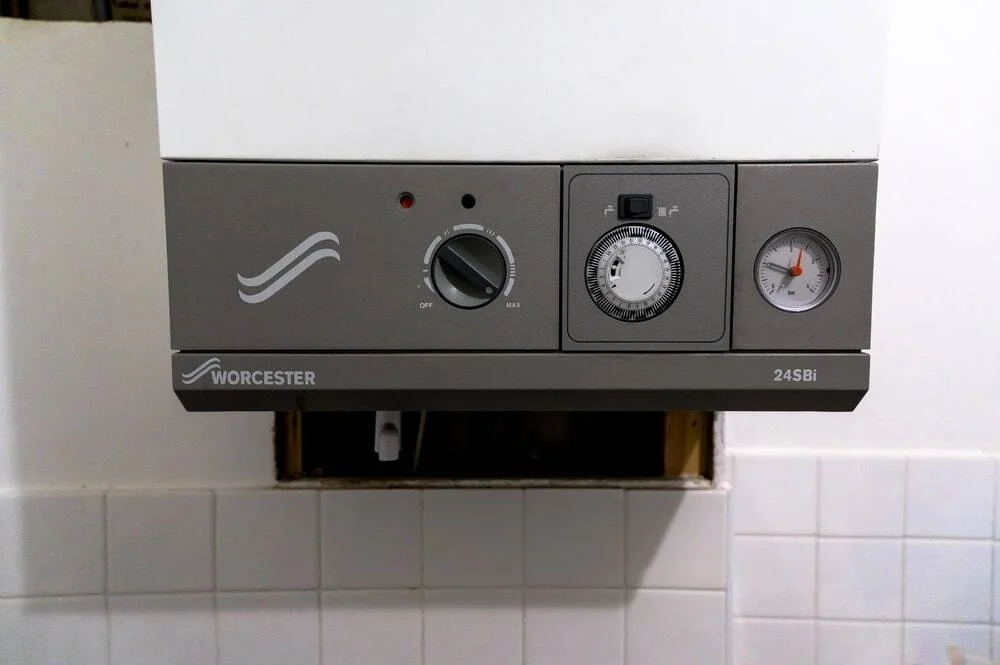
Commercial heating equipment requires adequate physical space for both the unit and the necessary pipework. Wall-hung units are excellent space-savers for smaller offices, cafes, or retail shops. Larger manufacturing facilities or hotels usually require heavy-duty, floor-standing models. You also need to factor in ventilation requirements and access for future servicing. Placing the unit in a cramped, hard-to-reach cupboard will make routine maintenance difficult and expensive.
The Danger of Delaying an Upgrade
Holding onto an aging, inefficient heating system often feels like the safest financial choice. Business owners naturally want to avoid large capital expenditures. However, older units lose their efficiency year after year.
As components wear down, the system burns more fuel to generate the same amount of heat. You end up paying significantly more on your monthly energy bills. Furthermore, finding replacement parts for obsolete models can take weeks, leaving your business without heat or hot water during crucial trading periods. Investing proactively in a new setup eliminates these unpredictable repair bills and provides total peace of mind.
Why Professional Fitting is Non-Negotiable
Commercial heating systems are incredibly complex and must comply with strict UK safety regulations. A poor setup can result in dangerous gas leaks, carbon monoxide exposure, and invalidated warranties.
You need a fully qualified, Gas Safe registered engineer to manage the project from start to finish. At Celmeng Plumbing and Heating, we handle everything from the initial site survey to the final safety checks. We pride ourselves on delivering seamless installations with minimal disruption to your daily operations. Our extensive experience working across Birmingham and West Bridgford means we understand the unique challenges faced by local businesses.
Ready to Upgrade Your Heating System?
Your business deserves a reliable, efficient heating solution that protects your bottom line. Do not wait for a catastrophic breakdown to force your hand. Upgrading now ensures your staff and customers remain comfortable all year round while significantly reducing your energy expenditure.
If you want expert advice tailored to your specific commercial property, we are here to help. Reach out to the team at Celmeng Plumbing and Heating today. Call us directly on 0121 608 0460 to arrange your free, no-obligation survey and secure your new boiler quote.