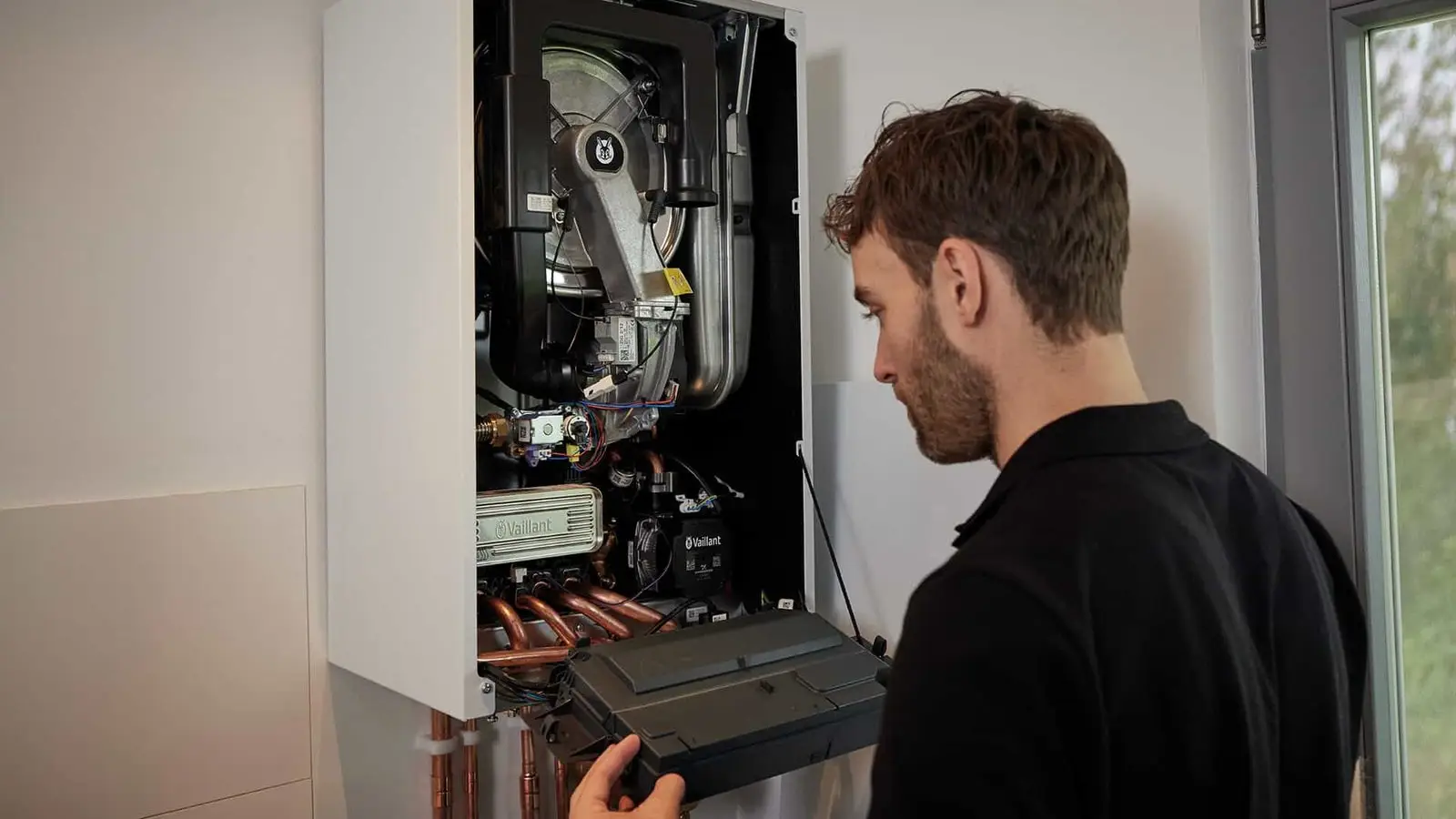
Waking up to a freezing house and no hot water is a nightmare, especially when you see the dreaded F22 fault code on your boiler display. Ignoring low boiler pressure leaves your home cold and can lead to costly internal component damage over time. The good news? You can easily fix this issue yourself in just a few minutes. To get your heating system back on track, you simply need to safely execute a Vaillant Ecotec Pro 28 repressurise. As a trusted heating engineer with deep expertise in West Bridgford and across the wider Birmingham area, I have helped countless homeowners restore their heating quickly. Here is exactly how to do it.
Why Your Boiler Pressure Drops
Before turning any valves, it is helpful to understand why your system lost pressure in the first place. Central heating systems are sealed, but minor pressure loss over time is completely normal.
One major insight to remember is that bleeding your radiators is the most common cause of a sudden pressure drop. When you release trapped air from the radiators, the overall pressure inside the system falls. You will usually need to top up the boiler immediately after bleeding them. Another key insight is that the Vaillant F22 fault code specifically triggers when the pressure drops below 0.5 bar, forcing the boiler to lock out for safety.
Step-by-Step: Restoring Your Boiler Pressure
Restoring the water pressure on your Vaillant boiler is a straightforward process. You do not need any special tools, just a few moments of your time.
1. Check the Pressure Gauge
First, locate the digital display or the mechanical dial on the front of your boiler. A healthy Vaillant Ecotec Pro 28 should sit comfortably between 1.0 and 1.5 bar when the system is cold. If the reading is below 1.0 bar, you need to add water.
2. Locate the Filling Loop
Look underneath the boiler casing. You will find two grey or black plastic handles attached to the pipework. This is your built-in filling loop. If your boiler is an older model, you might have a flexible silver braided hose with small valves at each end instead.
3. Add Water to the System
To let water into the system, slowly turn both valves so they align with the pipework. You will immediately hear the sound of water rushing into the boiler. Keep your eyes firmly fixed on the pressure gauge on the front screen.
As soon as the pressure reaches 1.5 bar, quickly turn both valves back to their original closed positions. The rushing sound will stop, and your boiler will automatically clear the F22 fault code and fire up.
When to Call a Birmingham Heating Expert
While topping up the pressure is a simple DIY task, having to do it constantly is a red flag. If you find yourself needing to repressurise your system every few weeks, you likely have a hidden leak in your pipework or a failing expansion vessel. Continuing to top up a leaking system introduces fresh, oxygenated water into your radiators, which accelerates internal rust and sludge build-up.
Keep Your Heating Running Smoothly
Managing your boiler pressure is one of the easiest ways to maintain a warm, comfortable home through the colder months. By keeping an eye on the gauge and topping up the system when needed, you can avoid unexpected breakdowns and keep your energy bills in check.
However, if your boiler refuses to repressurise, or if the pressure keeps dropping shortly after you fill it, it is time to call in the professionals. At Celmeng Plumbing and Heating, our Gas Safe registered engineers are ready to help. Call us today on 0121 608 0460 or visit our website to book a fast, reliable repair across Birmingham.