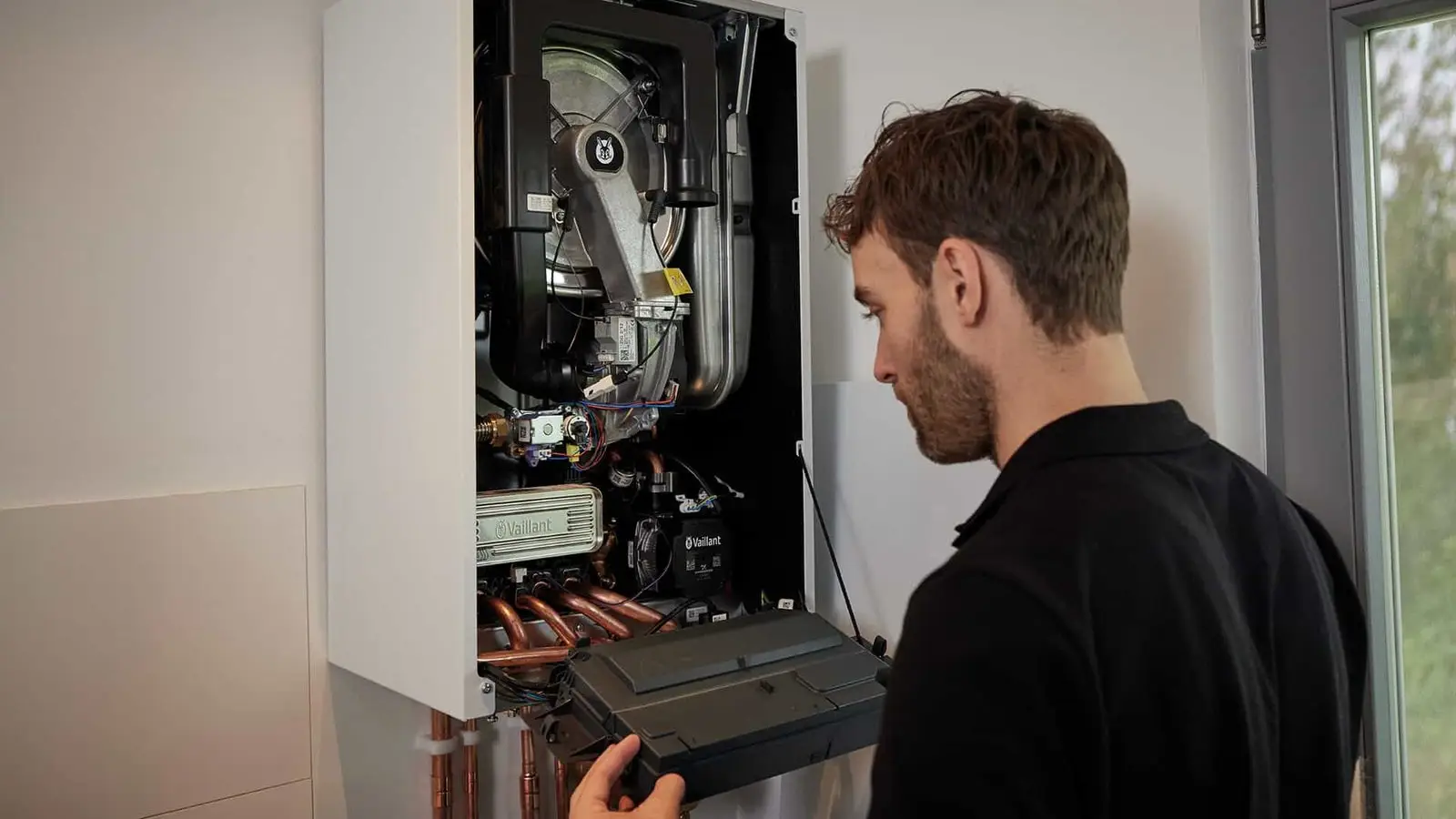
Waking up to a freezing house is never fun, especially when your heating system is flashing an error code you don’t understand. If you’re seeing the Ideal boiler F1 fault, don’t panic. The bottom line? This code almost always signals low water pressure within your central heating system. While it disrupts your heating and hot water, the fix is often simpler than you might expect.
As an expert plumber serving West Bridgford and the wider Birmingham area, I’ve helped countless homeowners resolve this specific issue. In this guide, we’ll explore exactly what causes this sudden drop in pressure and walk you through the solutions to get your home warm again.
What Does the F1 Fault Code Mean?
Modern boilers are clever pieces of technology. They rely on sensors to monitor the health of your heating system. The F1 code on an Ideal Logic, Vogue, or Independent boiler indicates that the system pressure has dropped below the minimum required level to operate safely—usually below 0.5 bar.
Think of your central heating system like a sealed loop. For the water to circulate effectively around your radiators, it needs to be under a certain amount of pressure (typically between 1.0 and 1.5 bar). When that pressure vanishes, the boiler protects itself by shutting down and displaying the F1 code.
Why Has My Boiler Lost Pressure?
Understanding why the pressure dropped is key to preventing it from happening again. Here are the three most common culprits:
1. Water Leaks
This is the most troublesome cause. Even a tiny leak, often too small to create a visible puddle, can cause pressure to drop gradually over weeks or months. Common leak spots include:
- The joints on radiator valves.
- Underneath the boiler itself.
- Hidden pipework under floorboards.
2. Recently Bled Radiators
Have you recently bled your radiators to get rid of cold spots? When you bleed a radiator, you are releasing trapped air. While this is good for heating efficiency, that air was taking up space in the system. Once the air is gone, the pressure drops. It is very common to see an Ideal boiler F1 fault immediately after radiator maintenance.
3. Natural Pressure Loss
Over a long period, heating systems can naturally lose a tiny amount of pressure. If you haven’t topped up your boiler in a year or two, an F1 fault might simply mean it’s time for a routine top-up.
How to Repressurise Your Ideal Boiler
If there are no obvious signs of a major leak (like water dripping through the ceiling), you can usually fix the F1 fault yourself by repressurising the system.
Important: Before you start, make sure the boiler is switched off and the system is cool.
Step 1: Locate the Filling Loop
On most Ideal boilers, the filling loop is located directly underneath the unit. It usually looks like a flexible silver braided hose with two small valves (often blue or black) at either end. Some newer models have a built-in filling link that uses blue levers.
Step 2: Check the Pressure Gauge
Look at the pressure gauge on the front of the boiler. You will likely see the needle in the red zone (near zero). You want to get this needle into the green zone, between 1.0 and 1.5 bar.
Step 3: Open the Valves
- For flexible hoses: Turn one tap to the fully open position. Then, slowly turn the second tap. You should hear the sound of water rushing into the system.
- For built-in levers: Pull the blue lever down (or turn it, depending on the model) until you hear the water flow.
Step 4: Watch the Gauge Closely
Keep your eye on the pressure gauge. The needle will rise slowly. As soon as it hits the 1.5 bar mark, turn the taps or levers back to the closed position immediately.
Caution: Do not over-pressurise the system. If the needle goes too high (into the red zone above 2.5 bar), you may trigger the pressure relief valve, which can cause water to discharge from the pipe outside your house.
Step 5: Reset the Boiler
Once the pressure is correct, turn the boiler back on. You may need to press the “Reset” button on the front panel. The F1 code should clear, and the burner light should come on.
When to Call a Professional
While repressurising is a handy DIY skill, there are times when you need an expert engineer from Celmeng Plumbing and Heating.
- The pressure drops again quickly: If you top up the system and the F1 code returns within a few days or weeks, you definitely have a leak that needs locating.
- You can’t find the filling loop: Not all boilers are installed with the loop easily accessible.
- The boiler won’t reset: If the pressure is fine but the boiler refuses to fire up, there may be a faulty sensor or a pump failure.
- You feel unsure: Gas appliances should always be treated with respect. If you aren’t confident turning valves, it is safer to call us.
Keep Your Home Warm with Celmeng
Dealing with boiler faults can be stressful, but the Ideal boiler F1 fault is often a quick fix. However, consistent pressure drops suggest a deeper issue that needs professional attention.
At Celmeng Plumbing and Heating, we specialize in diagnosing and repairing boiler faults across Birmingham and the West Midlands. Whether you need a quick repressurisation service, leak detection, or a new boiler quote, our gas-safe engineers are ready to help.
Don’t let a pressure drop leave you in the cold. If you can’t clear the fault yourself, or if it keeps coming back, give us a call today.