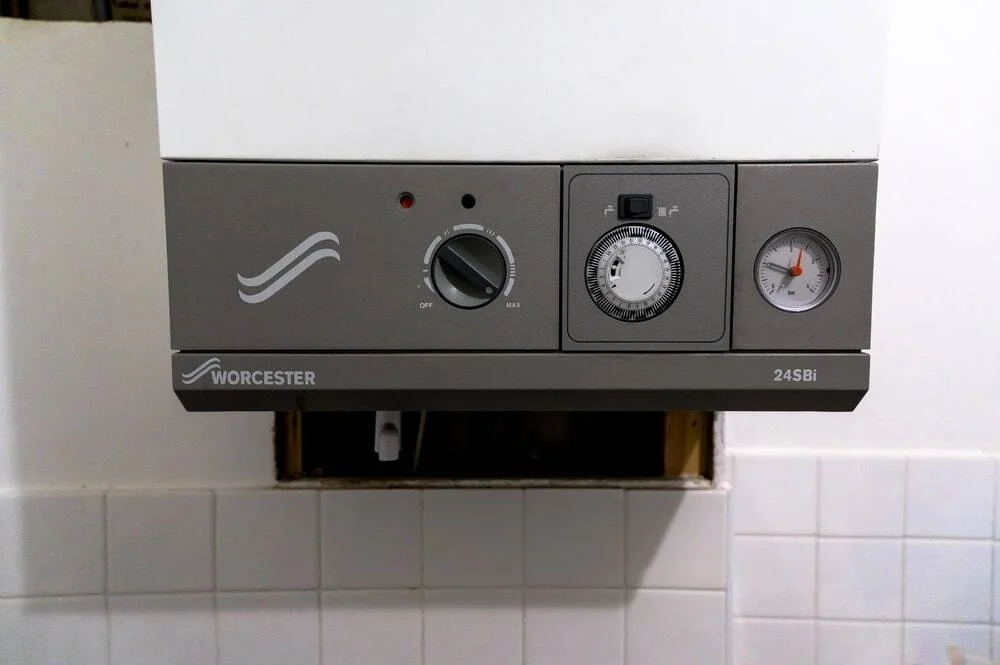
Is your boiler acting up? If you’ve noticed the pressure gauge creeping into the red zone (above 2.5 bar), you might be dealing with boiler pressure too high. While this can look alarming, it doesn’t always mean your boiler is about to burst. However, it does mean your system is under stress, which can lead to leaks, inefficiency, or a total breakdown if ignored.
At Celmeng Plumbing and Heating, we’ve seen every boiler issue imaginable across West Bridgford and Birmingham. In this guide, we’ll explain exactly why pressure spikes happen, how you can fix simple issues yourself, and when it’s time to call in the experts.
What should your boiler pressure be?
Before we dive into the fixes, let’s establish the baseline. For most modern combi and system boilers in the UK, the “Goldilocks zone” for pressure is between 1.0 and 1.5 bar when the heating is turned off and the system is cold.
When your heating is running, it’s normal for the pressure to rise slightly (usually up to 2.0 bar) as the water expands with heat. But if the needle is consistently sitting above 2.5 bar, or creeping towards 3.0 bar even when the system is cold, you have a problem that needs addressing.
3 common reasons for high boiler pressure
Understanding why the pressure is high is the first step to fixing it. Here are the most frequent culprits we encounter.
1. The filling loop has been overfilled
This is the most common reason for high pressure, especially if you’ve recently topped up your boiler yourself. The filling loop is the small silver braid or tap that connects your central heating system to the mains water supply.
If the valve wasn’t closed tightly after topping up, or if it was accidentally bumped, mains water will continue to trickle into the system. Since mains pressure is higher than heating pressure, this constantly forces the gauge up.
2. A faulty expansion vessel
As water heats up, it expands. Your boiler has an internal component called an expansion vessel (usually a red or grey tank) designed to absorb this extra volume. It acts like a shock absorber for your heating system.
If the expansion vessel loses its charge or the internal rubber diaphragm perishes, there is nowhere for the hot water to expand. The result? The pressure shoots up rapidly every time the heating comes on, often causing the pressure relief valve to dump water outside.
3. Failure of the filling loop valve
Even if you haven’t touched the filling loop recently, the valves themselves can wear out over time. If the internal washer fails, it can let water pass through even when the handle is in the “off” position. This creates a slow, steady rise in pressure that can be frustrating to diagnose without professional tools.
How to reduce boiler pressure safely
If your pressure is too high, you need to bring it down to prevent damage to the internal seals and pipework. Here is a step-by-step guide on how to do this safely.
Bleed your radiators
This is the easiest and safest way to lower pressure.
- Turn off your boiler and let the system cool down completely.
- Locate a radiator (preferably one with a drain valve, or simply use the bleed valve at the top).
- Use a radiator key to slowly open the bleed valve. You should hear a hissing sound as air escapes, followed by water.
- Catch the water in a cloth or bowl. Let some water escape until you see the pressure gauge on the boiler drop back into the green zone (around 1.5 bar).
- Tighten the valve and check the boiler gauge again.
Check the filling loop
Ensure the filling loop taps are fully closed. The handles should be at a 90-degree angle to the pipe. If they are in line with the pipe, they are open. If you are unsure, try tightening them by hand—but be careful not to overtighten and snap the handle.
When to call a professional engineer
While bleeding radiators is a handy DIY fix, it treats the symptom, not always the cause. You should call a Gas Safe engineer if:
- The pressure keeps rising: If you bleed the radiators and the pressure climbs back up within a few hours or days, you likely have a faulty filling loop or a problem with the expansion vessel.
- You see water leaks: Check under the boiler. If you see water dripping, a seal may have failed due to the high pressure.
- The pressure spikes only when heating is on: This is a classic sign of a failed expansion vessel that needs repressurising or replacing.
Attempting to fix internal boiler components yourself is not only dangerous but likely illegal if it involves removing the casing. Always trust a qualified professional for internal repairs.
Keep your home warm and safe with Celmeng
Ignoring high boiler pressure can turn a small repair into a costly boiler replacement. Don’t wait for a burst pipe or a cold shower to take action.
If you are in Birmingham, West Bridgford, or the surrounding areas and need help getting your heating back under control, our friendly team is here to help. We can diagnose the fault quickly and get your system running efficiently again.
Need advice or an emergency repair? Call Celmeng Plumbing and Heating today on 0121 608 0460 or contact us online for a free quote.