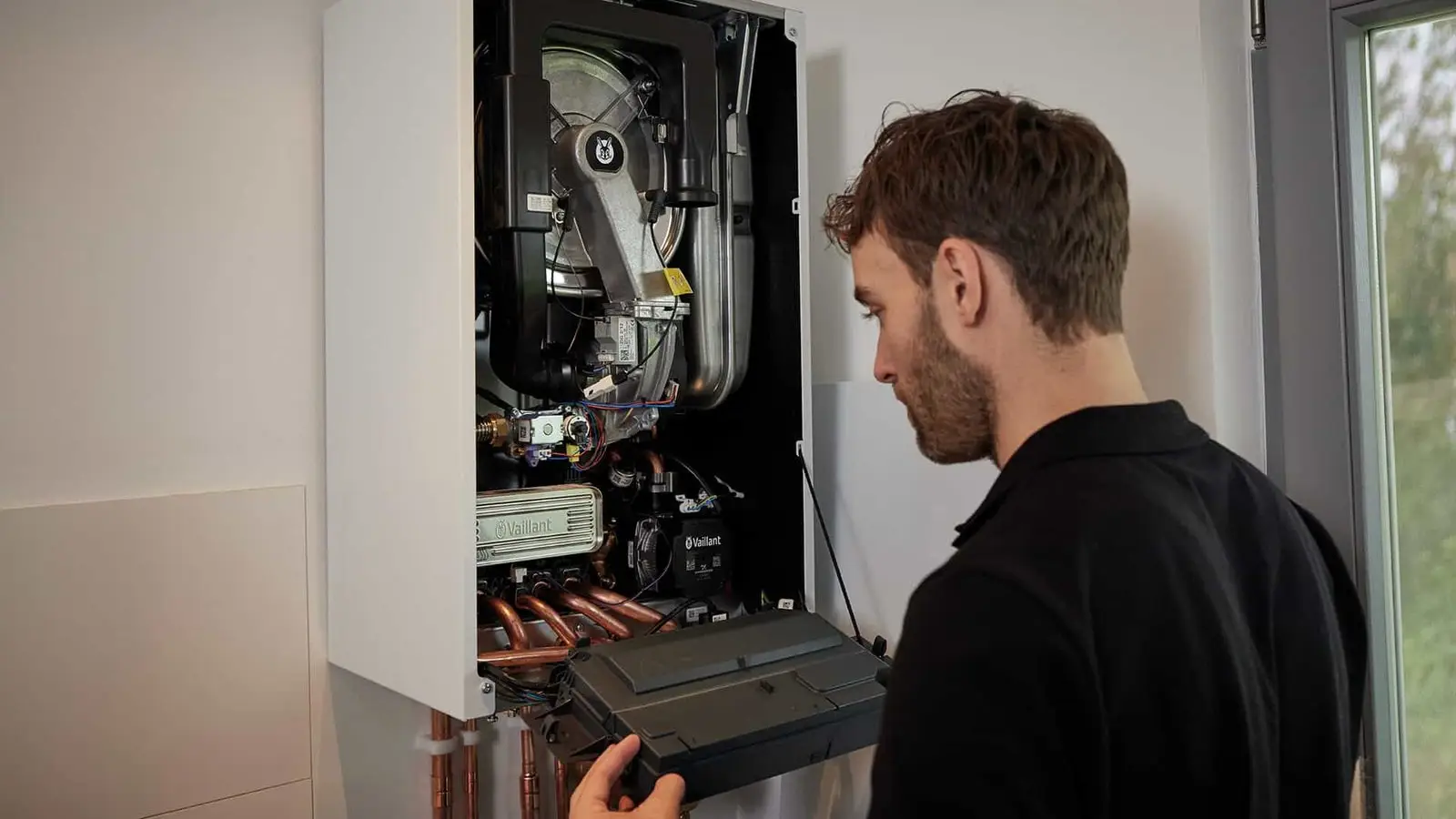
Is your Vaillant boiler displaying an F.28 error code? There is nothing worse than waking up to a cold house and no hot water. This specific code signals an ignition failure—essentially, your boiler is trying to start but can’t. Whether it’s a simple gas supply issue or a complex internal fault, we have seen it all. As experienced heating engineers serving West Bridgford, we know exactly how to diagnose a Vaillant boiler F28 fault quickly. In this guide, we break down the top 8 causes so you can get your heating back on track.
What Does the Vaillant boiler F28 Error Mean?
Before we look at the specific causes, it helps to understand what your boiler is trying to tell you. An F.28 fault code on a Vaillant EcoTec (and similar models) indicates an “ignition lockout.”
When you turn on a hot tap or the heating kicks in, the boiler goes through a startup sequence. It opens the gas valve and creates a spark to light the burner. If the Printed Circuit Board (PCB) does not detect a flame after several attempts, the boiler shuts down for safety reasons and displays the Vaillant boiler F28.
Here are the most likely reasons why this is happening.
1. Low Gas Pressure or Supply Issues
The most straightforward reason for ignition failure is a lack of gas. If no gas is reaching the burner, a flame cannot be established. This might not be a boiler fault at all.
What to check:
If you have other gas appliances, like a hob or a fire, check if they are working. If they are also failing to light, you may have a supply issue from the grid or your gas meter might be locked. If other appliances work fine, the issue is likely localised to the boiler pipework.
2. Frozen Condensate Pipe
This is a classic problem during the colder UK months. Your boiler produces wastewater (condensate) which drains away through a plastic pipe. If this pipe runs outside and is not properly insulated, it can freeze solid in sub-zero temperatures.
When the pipe is blocked by ice, the boiler’s sensors detect a blockage and prevent the boiler from firing up to avoid a backup of acidic water.
Top Tip: You can often fix this yourself by pouring warm (not boiling) water over the exposed pipe until the ice melts.
3. Faulty Ignition Electrodes
Inside the combustion chamber, small components called electrodes create the spark needed to ignite the gas. Over time, these electrodes can become worn, corroded, or coated in carbon deposits.
If the electrodes are damaged or the gap between them is incorrect, the spark will be too weak to light the gas, triggering the F.28 error.
4. Defective Gas Valve
The gas valve controls the flow of gas into the burner. It is an electromechanical device that opens and closes based on instructions from the PCB.
If the valve is stuck in the closed position due to a mechanical fault or a wiring issue, gas cannot enter the burner. Even if the spark is working perfectly, there is no fuel to ignite.
5. Faulty Spark Generator
The spark generator is the component responsible for sending the electrical current to the electrodes. Think of it like the ignition coil in a car. If this unit fails, no electricity reaches the electrodes, no spark is produced, and the boiler locks out.
6. Debris in the System
Older heating systems often suffer from a buildup of sludge and debris. Occasionally, this debris can find its way into the burner area or block the tiny injectors that release gas. This disrupts the gas-to-air mixture required for clean combustion. Regular servicing is the best way to prevent dirt buildup from affecting sensitive components.
7. Incorrect Flue Installation
Your boiler needs a supply of fresh air to burn gas safely. It draws this air in through the flue (the exhaust pipe usually found on the wall or roof).
If the flue is blocked by leaves or a bird’s nest, or if it was installed incorrectly, the boiler may not receive enough oxygen. The system detects this imbalance and prevents ignition to stop dangerous fumes like carbon monoxide from entering your home.
8. PCB (Printed Circuit Board) Faults
The PCB is the brain of your boiler. It monitors every sensor and controls every switch. If the PCB is damaged or glitching, it might send the wrong signals to the gas valve or spark generator.
Alternatively, the boiler might be working fine, but a faulty PCB could simply think there is a problem and trigger an error code erroneously. PCB faults can be expensive to diagnose and replace, so it is vital to rule out simpler mechanical issues first.
Can I Fix an F28 Error Myself?
While it is tempting to try and fix the boiler yourself to save money, you must be extremely careful.
Safe DIY Checks:
- Check if other gas appliances are working.
- Thaw a frozen condensate pipe with warm water.
- Press the “Reset” button on the front of the boiler (usually a flame icon with a cross through it).
When to Stop:
If resetting the boiler does not clear the fault, or if the fault returns immediately, do not attempt to open the boiler casing.
Under UK law, any work that involves removing the boiler casing or touching gas components must be carried out by a Gas Safe registered engineer. Attempting these repairs yourself is illegal and dangerous.
Need Expert Help?
If you have tried resetting your boiler and the fault persists, it is time to call in the professionals.
At Celmeng Plumbing and Heating, we specialise in diagnosing and repairing Vaillant boilers. Whether it’s a worn electrode or a faulty gas valve, our team can identify the root cause of the Vaillant boiler F28 error and carry out a safe, lasting repair.
Don’t suffer through a cold night. Contact us today on 0121 608 0460 or visit our website to book a repair.