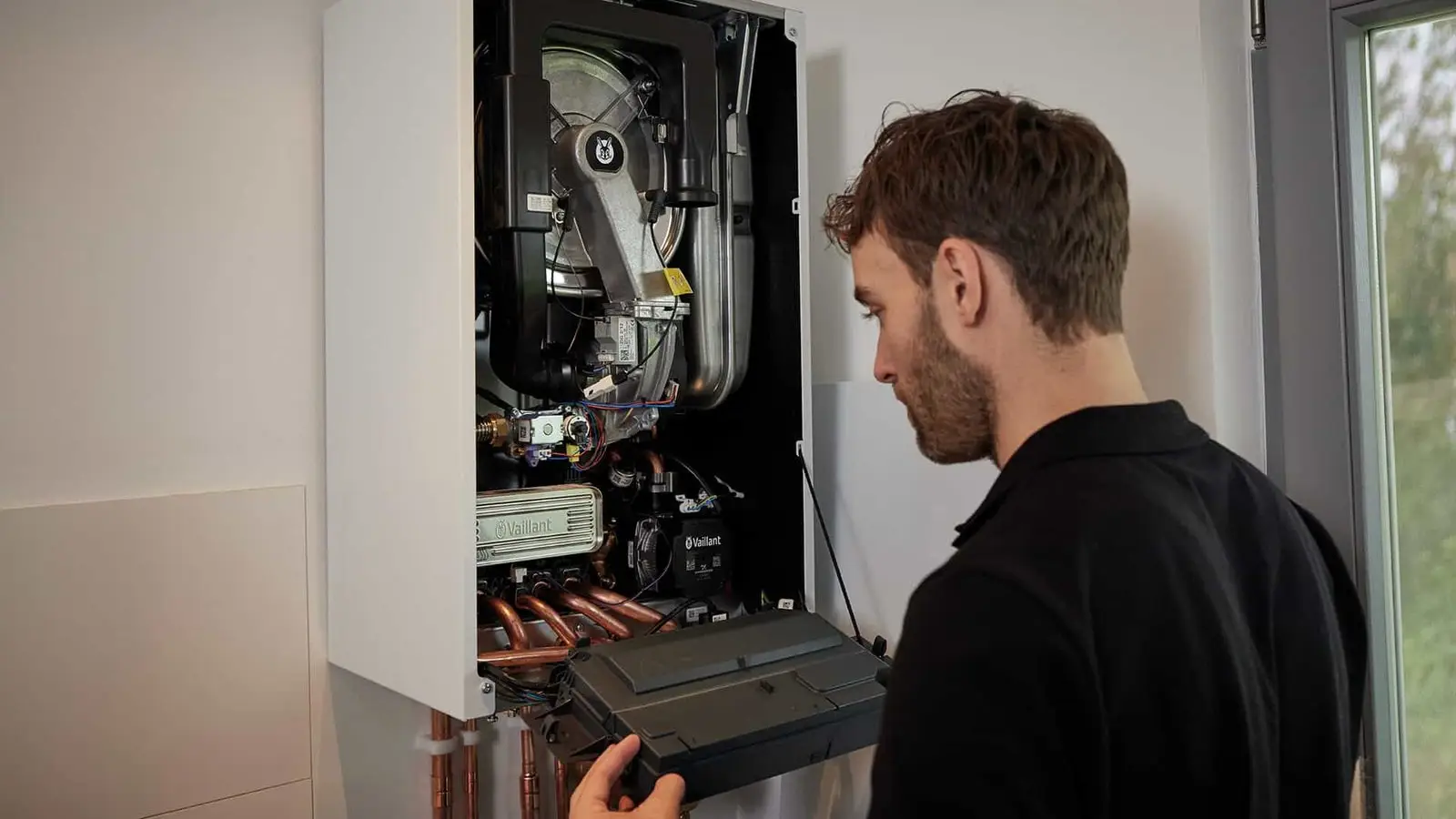
Cold showers and soaring energy bills are a massive headache for any homeowner. An unreliable heating system doesn’t just leave your family shivering during a frosty Midlands winter. It silently drains your wallet through constant repairs and wasted energy. Ignoring those weird banging noises or cold radiators will eventually lead to a complete breakdown when you least expect it. The best way to prevent a mid-winter emergency is knowing exactly when to upgrade. With over 25 years of hands-on experience, our expert team knows precisely what to look for. If you face frequent breakdowns, investing in a new boiler birmingham residents can rely on will save you significant money and stress.
Why Your Old Heating System is Secretly Draining Your Finances
Many people hold onto their old heating systems because they fear the upfront cost of a replacement. This is an understandable concern, but keeping a failing unit running often costs much more over time. Modern heating systems operate at incredibly high efficiency, meaning they convert nearly all the fuel they use directly into heat for your home. Older models can waste a huge portion of that energy.
Understanding the condition of your home’s central heating can prevent disastrous leaks, dangerous gas issues, and freezing nights. Here are the top indicators that your property is due for a heating upgrade.
1. Your Energy Bills Keep Creeping Up
Have you noticed your monthly gas bills getting higher, even though your usage hasn’t changed? As boilers age, their energy efficiency rating drops significantly. An older G-rated system might only be 70% efficient. That means for every £1 you spend on heating, 30p is completely wasted. Upgrading to a modern A-rated model ensures your system uses energy effectively, which heavily reduces your monthly utility costs.
2. You Keep Hearing Strange Banging Noises
Your central heating should operate with a quiet, consistent hum. If you start hearing loud banging, clanking, or gurgling sounds, there is a serious issue inside the unit. These noises, often referred to as “kettling,” usually happen when limescale and sludge build up on the heat exchanger. The water boils too quickly and creates steam bubbles that pop loudly. While a powerflush can sometimes clear minor sludge, severe kettling often means the internal components are permanently damaged.
3. Frequent Breakdowns Are Becoming the Norm
Calling an emergency plumber once every few years is normal. Calling an engineer every other month is a major red flag. You should never have to constantly patch up a failing system. The cost of call-out fees, replacement parts, and labor adds up surprisingly fast. A key insight for homeowners is the “50% rule.” If a repair costs more than half the price of a brand-new installation, it is financially wiser to replace the unit entirely.
4. The Radiators Take Forever to Get Warm
When you turn on the thermostat, your home should reach a comfortable temperature relatively quickly. If your radiators remain cold at the bottom or take hours to heat up, your system is struggling to circulate hot water. This puts immense strain on the boiler pump and internal valves. While bleeding the radiators can sometimes fix the issue, a persistent lack of heat usually points to a failing unit that lacks the power to service your house.
5. The System Has Passed Its 10-Year Anniversary
Even the best-maintained systems have a finite lifespan. Most units are designed to last between 10 and 15 years. Beyond this point, the internal parts degrade from constant expansion, contraction, and water exposure. Furthermore, manufacturers eventually stop producing replacement parts for discontinued models. If your system is over a decade old, planning for a replacement now allows you to shop around for the best options rather than making a panicked decision during an emergency.
6. The Flame is Yellow Instead of Blue
This is a critical safety warning. Your pilot light or burner flame should always burn a crisp, clear blue. If the flame appears yellow or orange, the unit is not burning gas properly. This produces carbon monoxide, a highly dangerous, odorless gas. If you see a yellow flame, you must turn off the appliance immediately and contact a Gas Safe registered engineer. In many cases, a yellow flame indicates a fundamental flaw in the burner that requires a full replacement.
7. You Notice Unpleasant Smells or Leaks
A healthy heating system is a closed, sealed loop. You should never find puddles of water gathering underneath the unit. Small leaks can quickly cause massive water damage to your flooring, walls, and electrical wiring. Similarly, any faint smell of gas or burning plastic requires immediate attention. Leaking seals and cracked internal valves are clear signs that the appliance has reached the end of its safe working life.
Smart Next Steps for New Boiler Birmingham
Spotting these warning signs early gives you total control over your home’s comfort. Instead of waiting for a total breakdown in the middle of December, you can upgrade on your own schedule. The most valuable insight you can take away today is that modern heating technology pays for itself. Between drastically reduced energy bills, zero repair costs, and comprehensive manufacturer warranties, a New Boiler Birmingham is an investment that protects your property. Plus, with flexible finance options available, accessing the latest heating technology is easier than ever.
Secure Your Home’s Warmth Before Winter Hits
You deserve a warm, safe, and energy-efficient home. Don’t let a deteriorating heating system leave you out in the cold. At Celmeng Plumbing and Heating, our Gas Safe registered engineers are ready to provide fast, professional service across the West Midlands. We offer free surveys, transparent pricing, and flexible finance options to help you spread the cost.
Ready to make the switch? Contact our expert team today at 0121 608 0460 or visit Celmeng Plumbing & Heating to get your free quote. Let us restore your peace of mind with a reliable, high-performance heating system.